
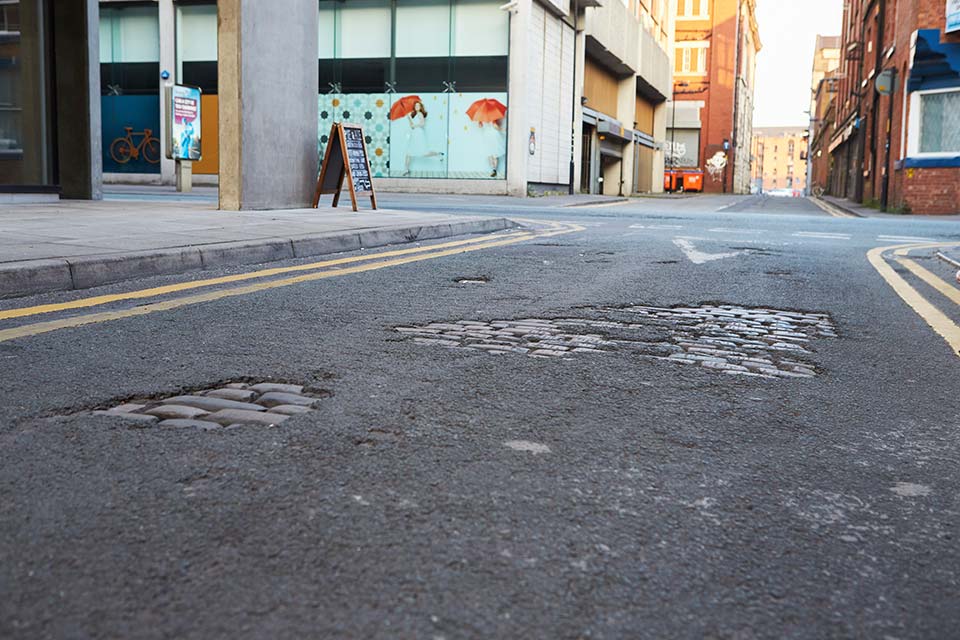
If you have been injured in a public place, you may be entitled to claim compensation. Accidents in supermarkets, on pavements, in car parks or in public parks can have serious consequences, particularly if the injury is severe or life-changing.
UK law places clear responsibilities on those who control public spaces. If they fail to take reasonable steps to keep visitors safe, they can be held legally accountable. In this guide, we explain your rights, the relevant laws, statistics, and how specialist personal injury solicitors such as ASL Solicitors can help.
What Is a Public Place Accident?
A public place accident occurs when someone is injured in an area where members of the public are permitted to be. This can include:
- Supermarkets and retail stores
- Pavements and public highways
- Restaurants and pubs
- Parks and playgrounds
- Shopping centres
- Public transport stations
- Car parks and leisure facilities
These cases are commonly pursued as public liability claims.
How Common Are Public Place Accident Claims?
Public liability claims represent a substantial category of personal injury claims in England and Wales. Ministry of Justice reporting shows that tens of thousands of public liability claims are issued each year [1].
Many successful claims relate to everyday hazards such as spillages, defective flooring, damaged steps, uneven paving, loose slabs and poorly maintained walkways.
The Legal Framework
Occupiers’ Liability Act 1957
This Act places a duty of care on those who occupy or control premises to ensure that lawful visitors are reasonably safe. If hazards such as spillages, uneven flooring, broken steps or poor lighting are not addressed within a reasonable time, the occupier may be liable [5].
Highways Act 1980
Under section 41, local authorities have a duty to maintain public highways, including pavements [6]. In pavement defect cases, councils commonly rely on the section 58 defence (broadly, that they took reasonable care by operating a proper inspection and repair system) [7].
Negligence Principles
Most claims rely on negligence. To succeed, you generally need to show:
- A duty of care was owed
- That duty was breached
- The breach caused your injury
The modern framework for duty of care originates from established case law including Donoghue v Stevenson [8].
Limitation Act 1980
In most cases, you must begin court proceedings within three years of the accident date. Exceptions can apply for children and those lacking mental capacity [9].
Most Common Public Place Accidents
The most frequent causes of public liability claims include:
- Slips on wet supermarket floors
- Trips on uneven pavements
- Falls due to defective stairs
- Accidents in poorly maintained car parks
- Injuries caused by falling objects in retail stores
FOI analysis of council claim categories suggests the majority of compensated public liability injury claims are categorised as slips, trips and falls [2].
How Is Compensation Calculated?
Compensation is usually divided into:
- General damages for pain, suffering and loss of amenity
- Special damages for financial losses such as lost income, medical costs, rehabilitation and travel expenses
The courts refer to the Judicial College Guidelines when valuing injuries, alongside medical evidence and the individual impact on the claimant [10].
Public Liability Pay-outs in Rochdale
There is no single official dataset that publishes every council’s public liability compensation figures in one place. However, Freedom of Information (FOI) investigations can provide useful snapshots of how local authorities handle claims within specific time periods.
An FOI-based analysis published by Legal Expert reported that Rochdale Metropolitan Borough Council paid a total of £719,454.46 across 104 personal injury claims between April 2022 and April 2023 [3].
Figures of this type should be viewed in context. Yearly totals can fluctuate depending on the number of claims received, the seriousness of injuries involved, and whether claims are successfully defended by the authority.
While statistics can provide helpful background, the success of any individual public liability claim will always depend on the specific facts and evidence in that case.
How ASL Solicitors Can Help
Public liability claims can be complex. Councils and large retailers often defend claims robustly, and may argue that reasonable inspection systems were in place or that the hazard was not present long enough to be discovered.
ASL Solicitors, based in Rochdale, specialise in personal injury and catastrophic injury claims. We support clients across Rochdale, Greater Manchester and surrounding areas, working to build strong evidence and pursue the maximum compensation available.
If you have been injured in a public place, you can get in touch with ASL Solicitors to discuss your case.
Frequently Asked Questions
Can I claim if I slipped in a supermarket?
Yes, if the supermarket failed to clean or warn about a hazard within a reasonable time, or did not have an adequate inspection and cleaning system.
Can I claim against the council for a broken or uneven pavement?
Yes, if you can show the council breached its duty to maintain the highway. Councils often defend these cases by relying on inspection and maintenance records.
What evidence helps most in a public place claim?
Photos of the hazard, witness details, incident reports (for shops and venues), medical records, and proof of losses such as travel costs or time off work.
What if I was partly at fault?
You may still claim, but compensation can be reduced for contributory negligence (for example, if you were not paying attention or ignored warning signs).
How long do I have to make a claim?
Usually three years from the accident date (with some exceptions).
References
- Ministry of Justice – Civil Justice Statistics Quarterly:
https://www.gov.uk/government/collections/civil-justice-statistics-quarterly - Blackwater Law – FOI analysis of public liability compensation paid by county councils in England (injuries 2020 to 2024):
https://blackwaterlaw.co.uk/tens-of-millions-of-pounds-in-compensation-paid-in-public-liability-claims-over-the-last-four-years-across-england/ - Legal Expert – FOI-based annual list of councils paying the most personal injury compensation (Apr 2022 to Apr 2023), including Rochdale MBC:
https://www.legalexpert.co.uk/top-10-councils-personal-injury-compensation/ - RAC – Pothole Index (FOI-based annual figures on claims submitted, payouts and councils paying the most):
https://www.rac.co.uk/drive/advice/driving-advice/rac-pothole-index-statistics-data-and-projections/ - Occupiers’ Liability Act 1957:
https://www.legislation.gov.uk/ukpga/Eliz2/5-6/31/contents - Highways Act 1980 – Section 41:
https://www.legislation.gov.uk/ukpga/1980/66/section/41 - Highways Act 1980 – Section 58 (statutory defence):
https://www.legislation.gov.uk/ukpga/1980/66/section/58 - Donoghue v Stevenson [1932] UKHL 100:
https://www.bailii.org/uk/cases/UKHL/1932/100.html - Limitation Act 1980:
https://www.legislation.gov.uk/ukpga/1980/58 - Judicial College Guidelines for Personal Injury Awards:
https://global.oup.com/academic/product/guidelines-for-the-assessment-of-general-damages-in-personal-injury-cases-9780198900702