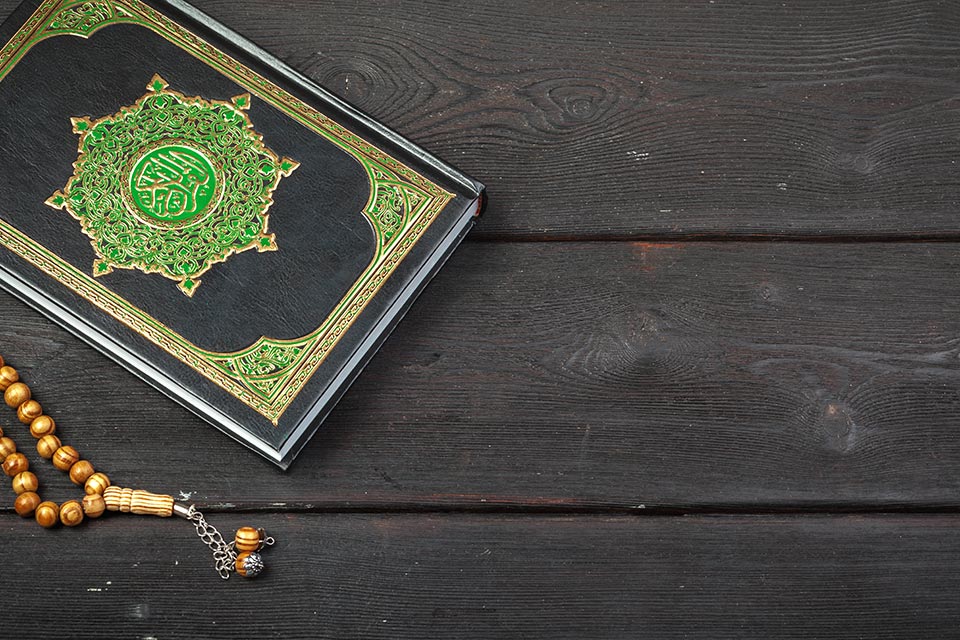
For many British Muslims, estate planning is not just about legalities, it is also deeply connected with faith. An Islamic Will, sometimes called a Shariah-compliant Will or Wasiyyah, is a document that sets out how your assets should be distributed after your death in accordance with Islamic principles. But how does this work under English law, and is an Islamic Will legally valid in England?
Understanding Islamic Wills
In Islamic tradition, inheritance is governed by detailed rules derived from the Qur’an and Sunnah. These rules allocate fixed shares of an estate to certain heirs, including spouses, children and parents. Islamic law also allows up to one third of the estate to be distributed freely to non-heirs or to charity. This portion is known as the Wasiyyah[1].
However, religious rules do not automatically override UK law. For an Islamic Will to be legally effective in England and Wales, it must comply with the requirements set out in the Wills Act 1837[2].
Is an Islamic Will Valid in England?
Yes. English law recognises testamentary freedom, meaning you are generally free to leave your estate as you choose. A Shariah-compliant Islamic Will is legally valid provided it meets the formal legal requirements.
Under the Wills Act 1837, a Will must:
- Be made by a person aged 18 or over,
- Be made voluntarily and with mental capacity,
- Be in writing,
- Be signed by the person making the Will, and
- Be witnessed by two independent witnesses who also sign it.
If these requirements are satisfied, the courts in England and Wales will generally uphold the Will, even if its terms reflect Islamic inheritance principles[3].
Can an Islamic Will Be Challenged?
Although English law allows freedom of testamentary disposition, there are important safeguards. Under the Inheritance (Provision for Family and Dependants) Act 1975, certain individuals, such as spouses, civil partners, children and financial dependants, may bring a claim if they believe they have not received reasonable financial provision[4].
This means that even a carefully drafted Islamic Will could be challenged if an eligible claimant feels unfairly treated. For this reason, professional legal advice is essential.
What Happens If There Is No Will?
If a Muslim dies without a valid Will in England or Wales, their estate will be distributed according to the statutory intestacy rules. These rules do not reflect Islamic inheritance law and may lead to outcomes that differ significantly from Shariah principles[5].
For example, the statutory rules prioritise spouses and children in a specific order and do not allocate shares according to Qur’anic fractions. This can create unintended consequences for Muslim families.
Why Professional Advice Matters
Drafting an Islamic Will requires balancing faith-based principles with English legal requirements. Issues such as guardianship of children, tax planning, executors’ powers and potential claims under the 1975 Act must all be carefully considered.
If you are based in Rochdale, Manchester or the surrounding areas, ASL Solicitors provide Shariah-compliant Islamic Wills tailored to your circumstances. Based in Rochdale, we understand both UK legal requirements and the importance of faith-aligned estate planning. In addition to wills and probate services, we also specialise in Islamic mortgages and Shariah-compliant property transactions.
If you would like advice or wish to prepare an Islamic Will, you can get in touch with ASL Solicitors here.
Frequently Asked Questions
What is an Islamic Will?
An Islamic Will is a legally valid Will that distributes your estate in accordance with Islamic inheritance principles while also complying with English law.
Is a Shariah-compliant Will enforceable in England?
Yes, provided it complies with the Wills Act 1837 and is properly signed and witnessed.
Can I leave my entire estate according to Islamic law?
You can structure your Will in line with Islamic inheritance rules. However, eligible family members may still bring a claim under the Inheritance (Provision for Family and Dependants) Act 1975 if they believe they have not received reasonable provision.
Do I need a solicitor to draft an Islamic Will?
While it is not legally mandatory, it is strongly recommended. A solicitor ensures your Will is valid, clearly drafted and less likely to be challenged.
What areas does ASL Solicitors cover?
We are based in Rochdale and provide Islamic Wills and related legal services to clients in Rochdale, Manchester and surrounding areas.
References
- Islamic inheritance principles and Wasiyyah overview – Islamic Relief UK:
https://www.islamic-relief.org.uk/giving/islamic-giving/islamic-inheritance/islamic-wills/ - Wills Act 1837 – UK Legislation:
https://www.legislation.gov.uk/ukpga/Will4and1Vict/7/26/contents - GOV.UK – Make a Will (legal requirements in England and Wales):
https://www.gov.uk/make-will - Inheritance (Provision for Family and Dependants) Act 1975 – UK Legislation:
https://www.legislation.gov.uk/ukpga/1975/63/contents - Intestacy rules in England and Wales – GOV.UK:
https://www.gov.uk/inherits-someone-dies-without-will